

The Bible refers to around 110–130 different plants, depending on the translation.
A biblical herbarium is a collection of dried plants, fruits, seeds, and resins mentioned in scripture, often created in the late 19th century as teaching tools and used to connect biblical texts with the natural world.
History
The first detailed study of plants in the Bible was written by the Dutch physician Levinus Lemmens. His work, Herbarium atque arborum quae in Bibillis passim obviae sunt, was translated into English by Thomas Newton as An Herbal for the Bible in 1587.
One of the most well-known later collections is Southall’s Biblical Herbarium, produced in 1897 by the Birmingham pharmaceutical company Southall Brothers & Barclay. This pine-cased set contained around 70 specimens—plants, seeds, and resins—from the Holy Land, along with a 39-page explanatory booklet. It served as a practical link between scripture, botany, and everyday life.
Many of these plants were used for food or medicine and also appear in John Wesley’s Primitive Physic (1747), a guide written to provide simple, affordable remedies for those unable to access professional medical care. Wesley emphasised prevention through diet, exercise, and the use of readily available plants.
Plants
Mint (Mentha spp.)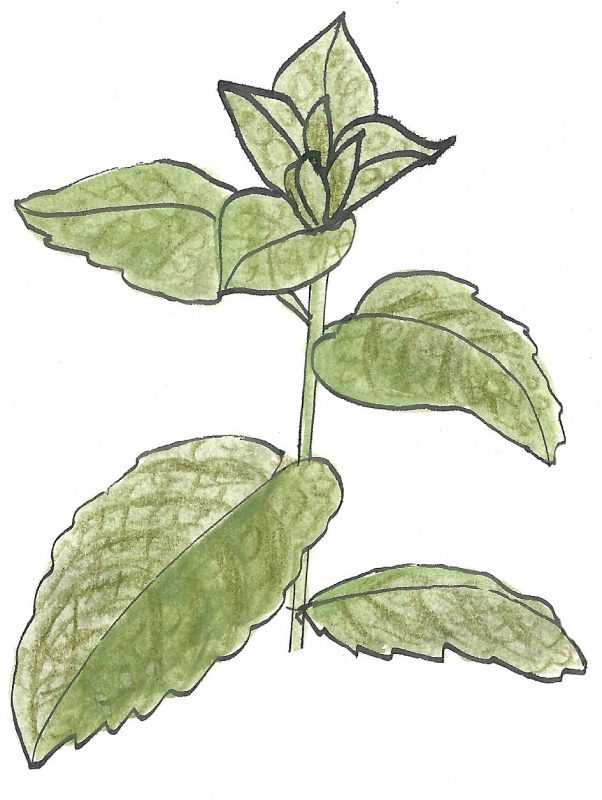 Wesley recommended mint as part of a vinegar infusion to help prevent the spread of plague and infection. In the Bible (Matthew 23:23), mint is mentioned in a warning about outward religious observance without justice, mercy, and faithfulness.
Beans (Phaseolus vulgaris)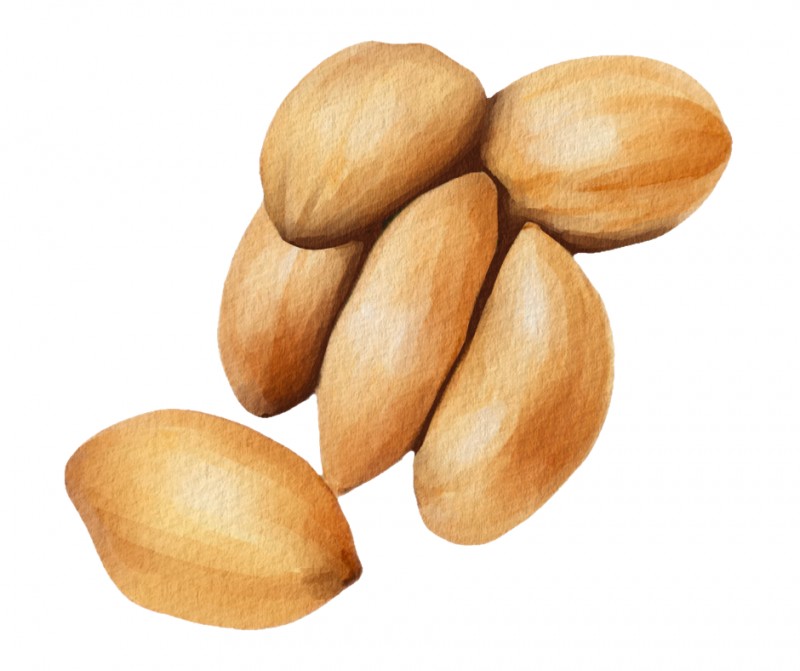 Beans were considered one of the mildest and most easily digested vegetables in Primitive Physic, suitable for those with delicate health. In the Bible, beans appear as part of a nourishing provision brought to David (2 Samuel 17:28–29).
Barley (Hordeum vulgare)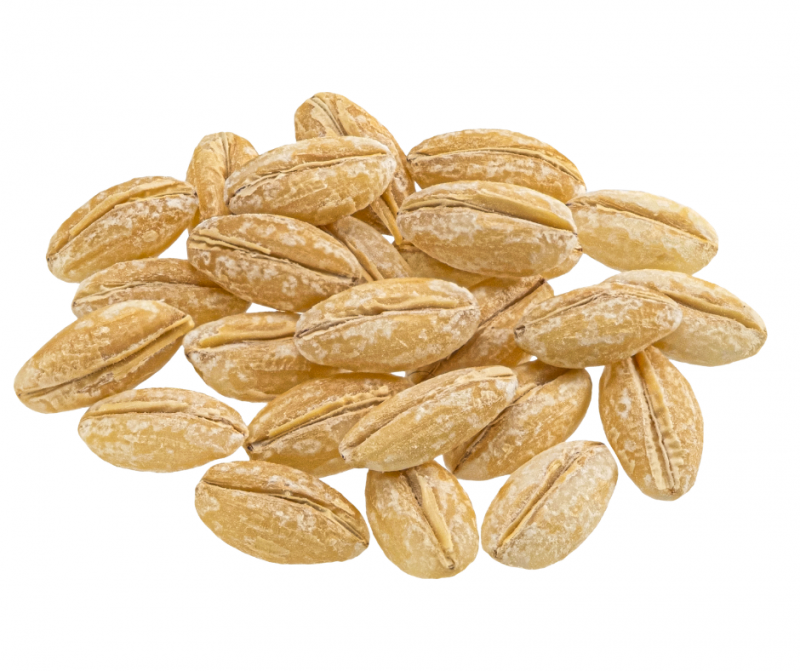 Barley was used medicinally in drinks such as barley-water for conditions like consumption and digestive illness. It was also a staple food in biblical times, valued for its sustaining qualities.
Wheat (Triticum aestivum) Wheat flour was used by Wesley in poultices to treat wounds and prevent gangrene. In scripture, wheat is frequently associated with provision and daily sustenance.
Boxwood (Buxus sempervirens) Wesley suggested a decoction of boxwood as a treatment for baldness. In the Bible (Isaiah 41:19; 60:13), the box tree is listed among those planted by God, symbolising restoration and beauty.
Leeks (Allium ampeloprasum) Leeks were used medicinally for conditions such as dropsy, often combined with other plant juices. They are also remembered in the Bible (Numbers 11:5) as one of the foods the Israelites longed for from Egypt.
Garlic (Allium sativum) Garlic was recommended by Wesley for respiratory conditions such as asthma, taken raw or preserved. Like leeks, it is mentioned in Numbers 11:5 as part of the diet remembered by the Israelites.
Onions (Allium cepa)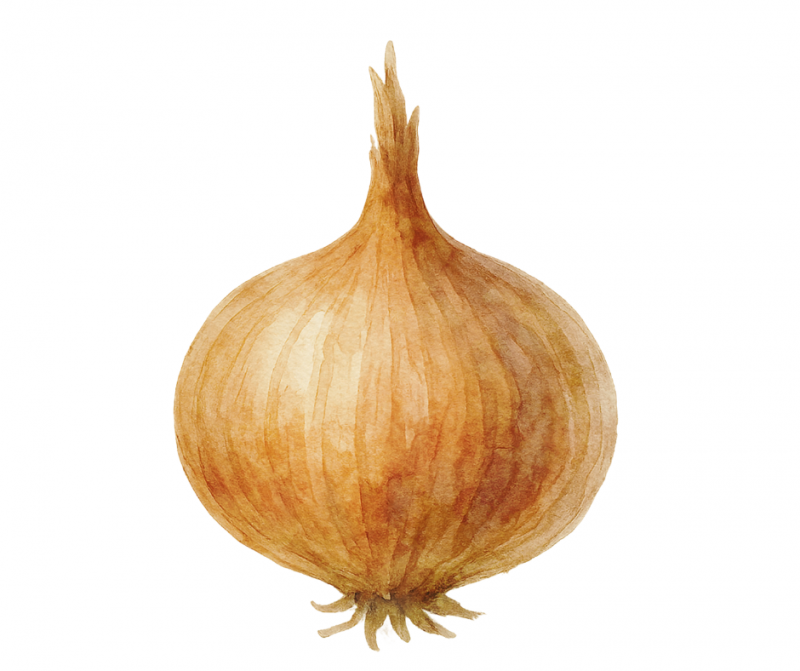 Onions were used in treatments for baldness and earache, applied directly or as a poultice. They too appear in Numbers 11:5, highlighting their importance in the everyday diet of the ancient world.
Saffron (Crocus sativus)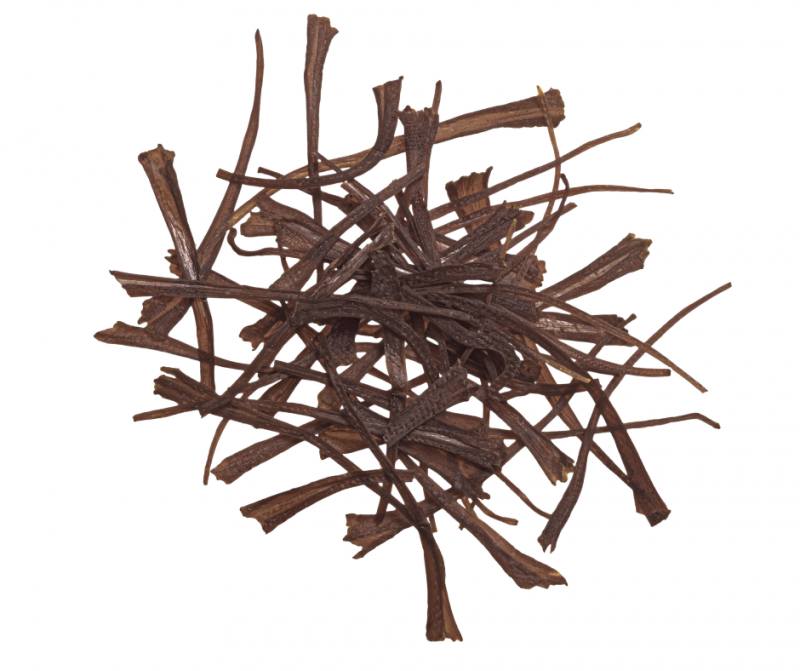 Saffron was used medicinally for respiratory complaints and in poultices for boils. It is also mentioned in Song of Songs 4:13 among the fragrant plants of a well-tended garden.
Frankincense (Boswellia sacra)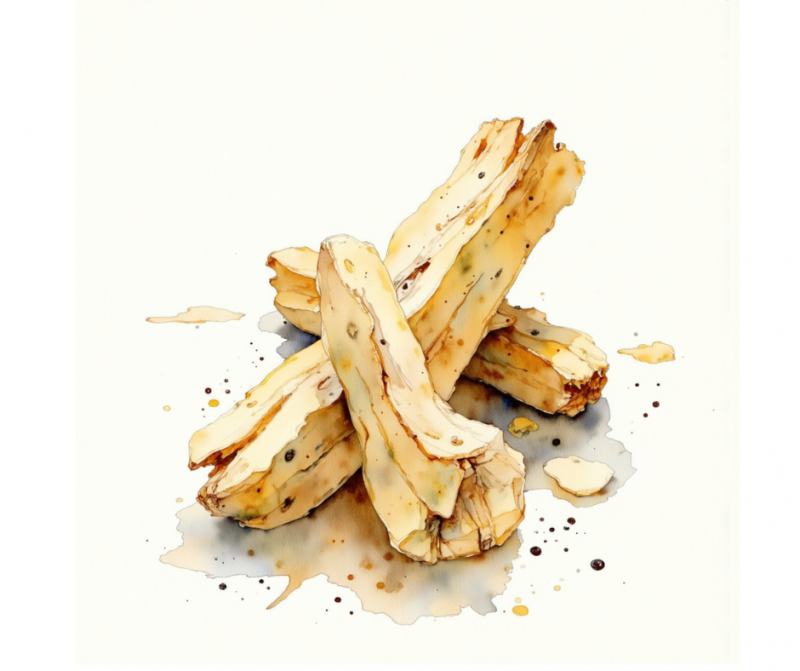 Wesley recommended inhaling the smoke of frankincense for respiratory illness, reflecting its long-standing medicinal use. In the Bible (Exodus 30:34), it appears as part of sacred incense and was one of the gifts brought to Jesus.
Myrrh (Commiphora myrrha)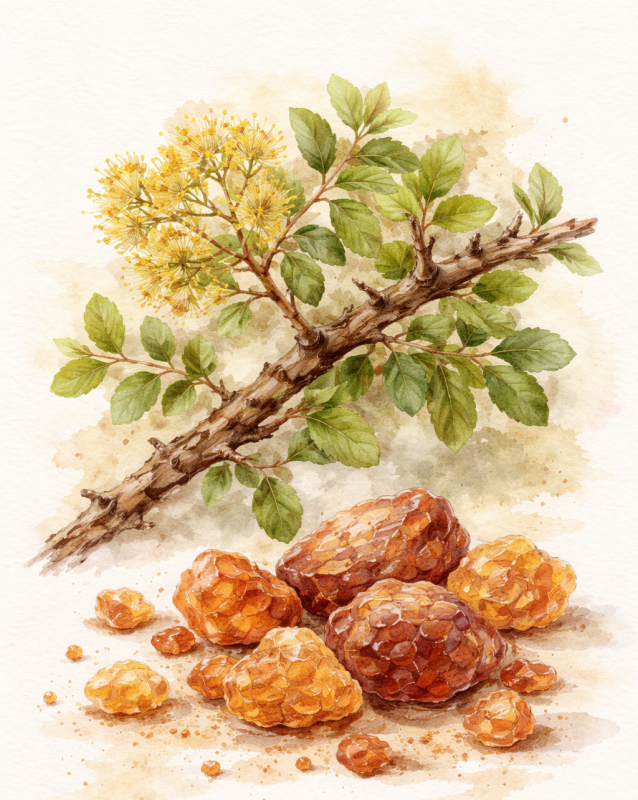 Myrrh was used in Primitive Physic for treating ulcers and skin conditions due to its antiseptic qualities. It is also associated with the life of Jesus, both as a gift at his birth and as part of the drink offered at the crucifixion (Mark 15:23).
Hyssop (Hyssopus officinalis)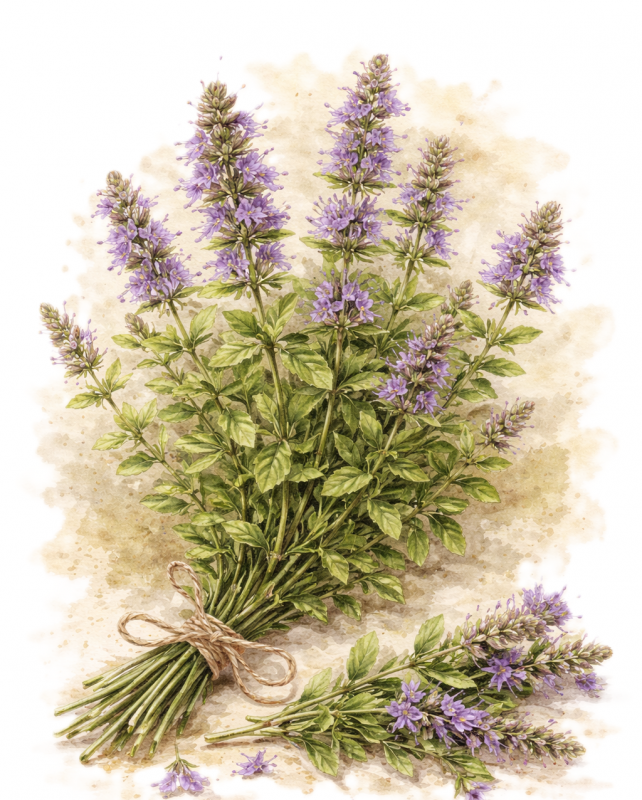 Hyssop was applied as a poultice for eye conditions in Wesley’s remedies. In the Bible (Psalm 51:7), it symbolises cleansing and spiritual purification.
Olive Oil (Olea europaea)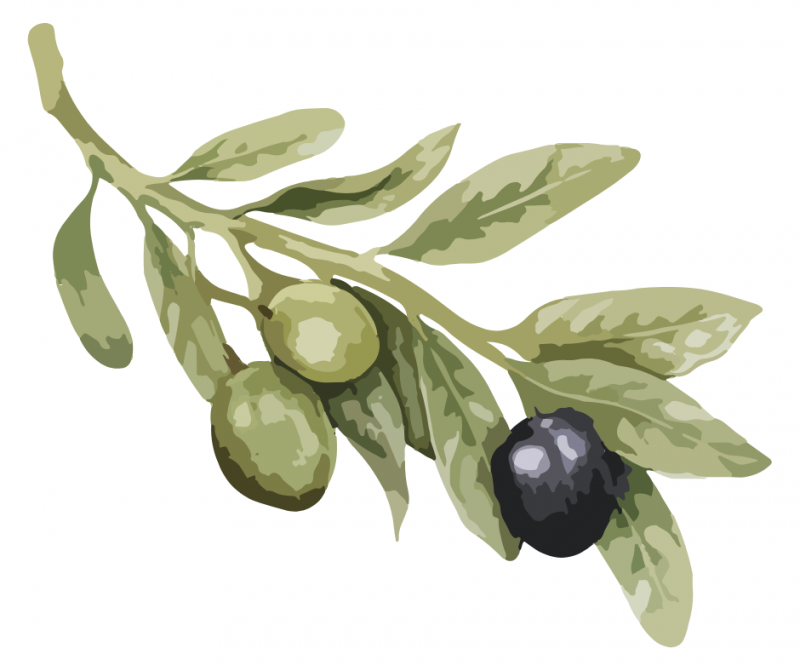 Olive oil was widely used for treating burns, ear problems, and wounds in Primitive Physic. In scripture, it appears frequently in healing, anointing, and daily life, such as in the parable of the Good Samaritan (Luke 10:34).